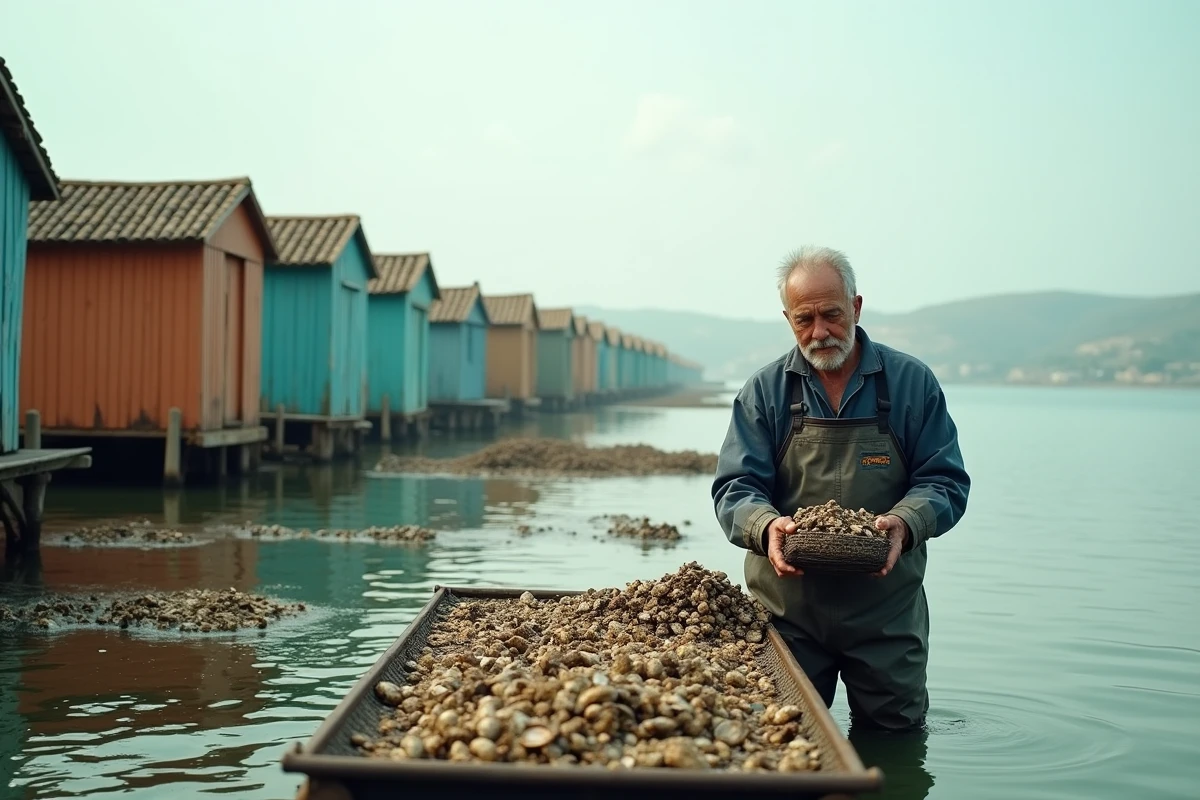
The oyster farm of Demain nous appartient is one of the most recognizable settings of the daily series on TF1. Located on the shores of the Thau lagoon in Sète, this filming location grounds the family and professional intrigues in a real lagoon landscape. But what is the precise location of this farm, and how does the choice of an authentic site change the production of the series in light of the current environmental constraints of the lagoon?
Real filming locations vs. virtual sets: DNA and the series Ici tout commence
The question of the realism of the sets clearly distinguishes Demain nous appartient from its neighboring series Ici tout commence, filmed about fifteen kilometers from Sète. According to a Puremédias article dated May 2026, Ici tout commence uses virtual sets for 70% of its aquatic scenes since 2025. In contrast, DNA continues to film outdoors on an existing oyster farm, directly on the edge of the Thau lagoon.
| Criterion | Demain nous appartient (DNA) | Ici tout commence (ITC) |
|---|---|---|
| Filming location of the farm | Real farm, shores of the Thau lagoon, Sète | Virtual sets (studio) since 2025 |
| Share of outdoor aquatic scenes | Majority in natural setting | About 30% outdoors |
| Distance from Sète | On site | About 15 km |
| Local regulatory constraints | Prefectural order on drones (April 2026) | Not concerned (studio) |
This table highlights a methodological gap. By maintaining a physical anchoring in the lagoon, DNA exposes itself to constraints that studio filming avoids, but gains in visual credibility. For fans wishing to locate the oyster farm of Demain nous appartient to discover, it is indeed on the banks of the Thau lagoon that one must go, in the oyster farming area between Sète and Mèze.
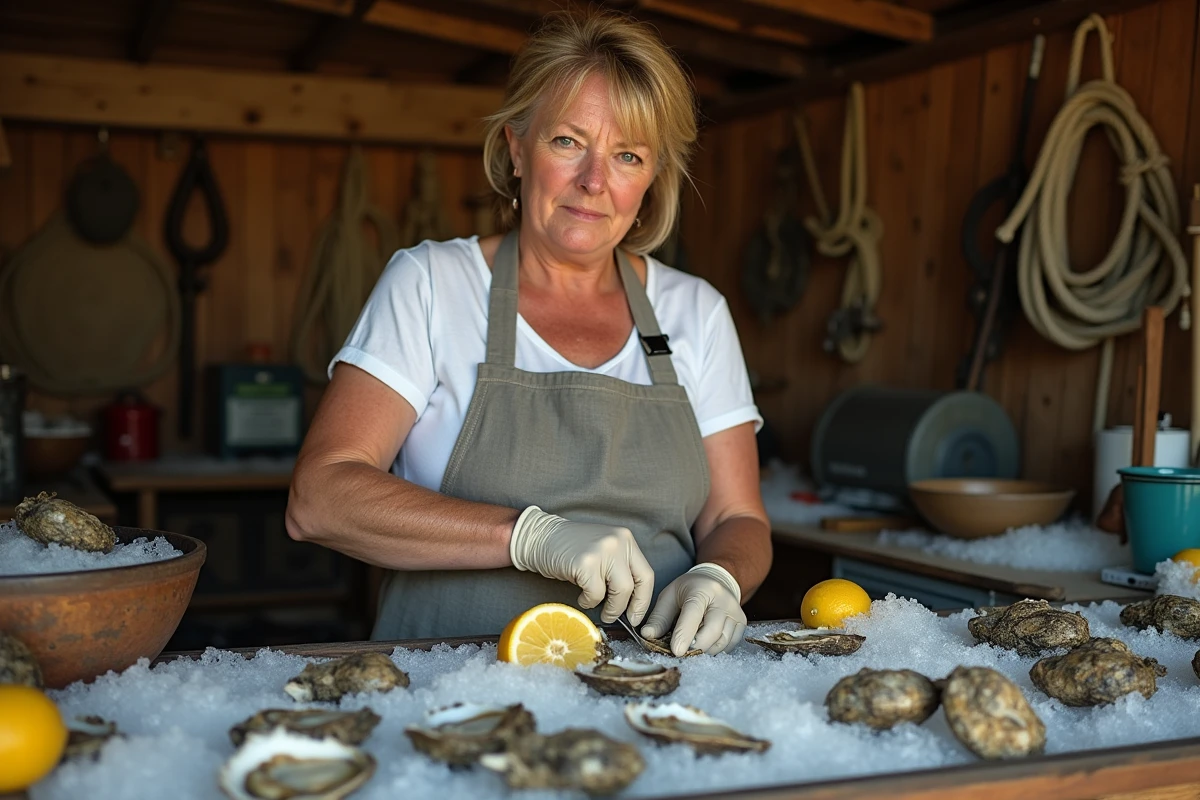
Location of the DNA oyster farm in Sète and the Thau lagoon
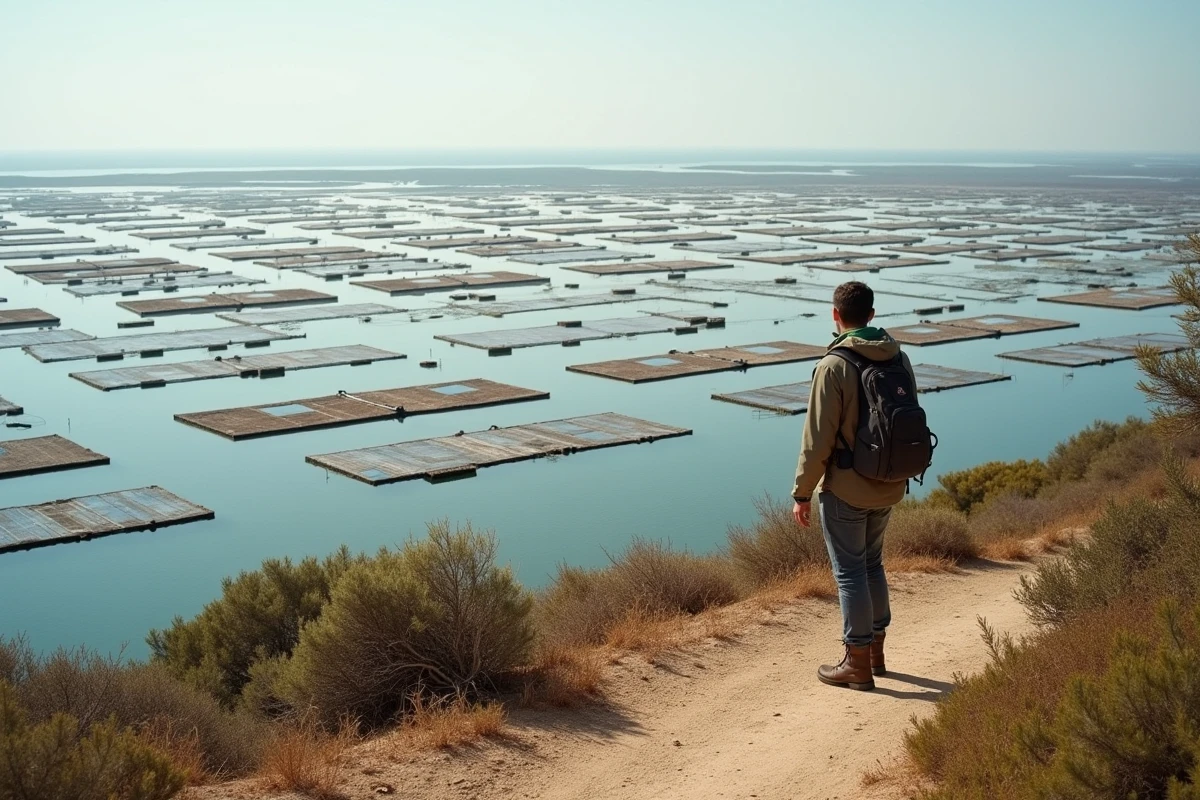
The oyster farm visible in the series is located on the southern shore of the Thau lagoon, in the oyster farming sector that stretches between Sète and neighboring municipalities. This area concentrates the majority of shellfish farming operations in the Thau basin, with oyster farming tables installed directly in the lagoon.
The outdoor scenes of the farm are filmed on a real site, used as a permanent filming location since the early seasons. The characters of the Delcourt family, along with other protagonists linked to the professional intrigues, regularly interact there. The interior set of the farm is recreated in the studio, within the production facilities of the series that cover over 7,500 m² of space and house more than 15 distinct sets.
Access and geographical landmarks
The Thau lagoon forms a vast coastal lagoon, separated from the Mediterranean by a thin sandy cordon. The farm is located on the Sète side of this lagoon, accessible from the city’s docks. DNA fans visiting the site can easily spot the silhouette of the oyster farming buildings and the characteristic docks visible on screen.
Several other filming locations of the series are nearby:
- The Quai d’Orient in Sète, used for scenes of the fictional court in the series
- The beach of Trois Digues, between Sète and Marseillan-Plage, where the Spoon hut is located
- The Haut de Sète district, the setting for several recurring facades and the shared housing of some characters
Real ecological constraints of the Thau lagoon and DNA intrigues
The choice of a real oyster farm as a permanent set does not come without consequences for production. A prefectural order from Hérault (n° 2026-042, dated April 10, 2026) now prohibits drone filming over the Thau lagoons. The goal is to protect birdlife and oyster farming parks. This restriction directly affects DNA’s aerial shots, which will need to adapt its wide-angle plans over the lagoon.
This regulatory measure illustrates a broader tension. The Thau lagoon is under environmental pressures (water quality, warming, algal blooms) that directly affect oyster farmers. The writers of DNA have indeed incorporated ecological plots into recent seasons, addressing the economic and climatic difficulties faced by producers.
Tourist nuisances related to filming
The success of the series generates an influx of visitors to the filming sites. According to a collective interview published in La Dépêche du Midi at the end of April 2026, local oyster farmers report a significant increase in nuisances related to DNA tourism. Fans sometimes intrude into the oyster farming areas, occasionally disrupting nighttime harvests.
This situation poses a concrete problem. The oyster farm is not a tourist site designed for public reception. The neighboring operations remain active workplaces. The coexistence of filming, tourism, and shellfish farming requires increasingly careful management from both the production and local authorities.
DNA and the Sète landscape: a link that structures the series
Since 2017, Demain nous appartient has used Sète as a character in its own right. The oyster farm embodies the link between fiction and the local economy of the Thau lagoon. The scenes filmed on the docks, in the Haut district, or on the beach of Trois Digues complement this network between natural setting and narrative.
The use of real locations distinguishes DNA from many French productions that favor the studio. This choice comes with logistical costs (permissions, weather, regulations) but offers viewers an accurate image of the Sète geography. The plots related to oyster farming, fishing, or the environmental issues of the lagoon gain coherence when the setting is not simulated.
For visitors, finding the oyster farm on the shores of the Thau lagoon remains one of the most sought-after experiences when visiting Sète. The series has helped to raise awareness of the city’s shellfish farming heritage well beyond the Occitanie region, transforming a food production site into a television cultural landmark.