Textiles have never invaded our closets as much as they do now: in twenty years, the planet has seen the amount of clothing produced double, while their lifespan has shrunk by a third. Collections follow one another, brands compete with new items, and the line between desire and need becomes blurrier every day.
Despite the emergence of ethical solutions, few truly take the plunge. It’s not so much a question of price but rather an inheritance of habits: the impulse for quick purchases has crept into our daily lives, and it’s not so simple to rethink our way of dressing.
Why slow fashion changes our relationship with clothing
In the face of the relentless pace of textile production, slow fashion charts a different course. It focuses on quality, transparency, and the valorization of natural materials like cotton or linen, while increasingly integrating recycled materials. The figures are staggering: every year, over 92 million tons of textiles end up in the trash, a direct symptom of frantic consumption and limitless production. The textile sector is also among the main contributors to greenhouse gas emissions worldwide.
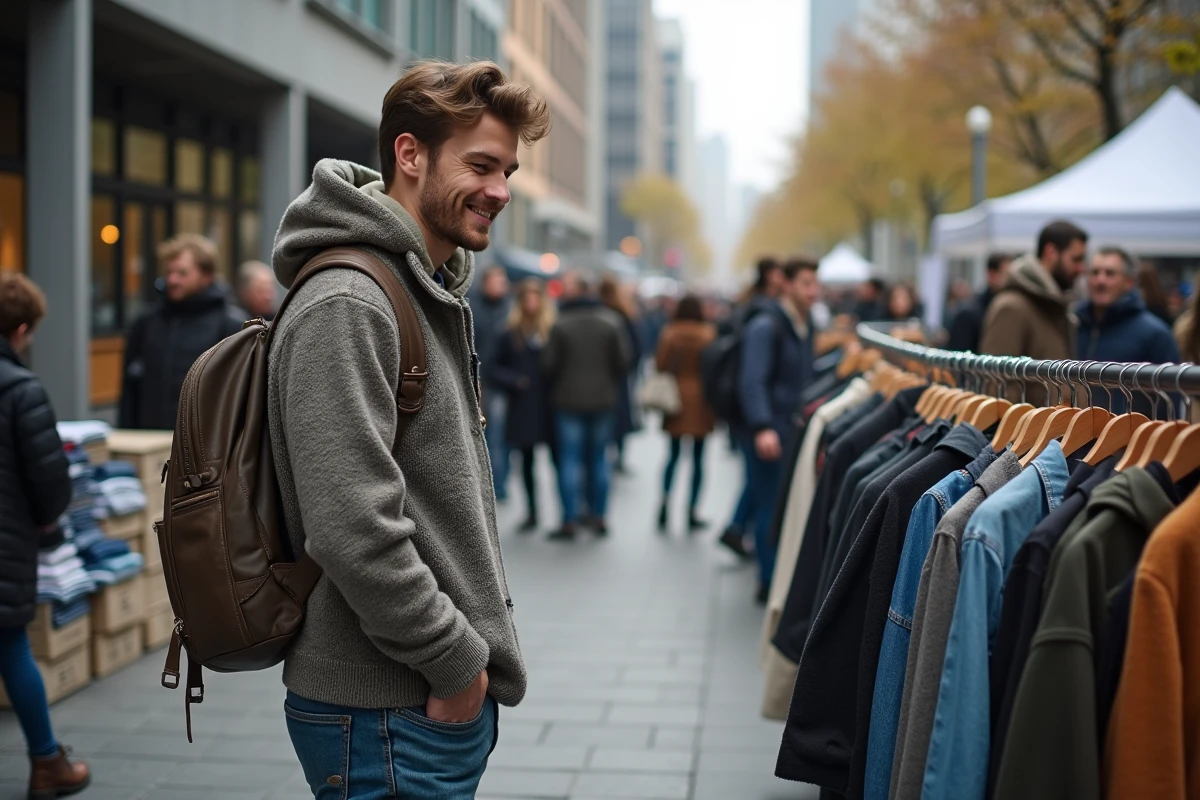
Ethical fashion questions the lifespan of clothing and invites us to slow down. Opting for second-hand items, preferring pieces certified by labels, adopting eco-friendly maintenance routines: these are all concrete actions to lighten the carbon footprint of our wardrobes. Seeking sustainable fashion also means rediscovering the desire for a unique style, far from the standardization of collections that all look alike.
To delve deeper into this journey, fashion tips on Magmoiselle provide guidance for rethinking your silhouette, distinguishing artificial fibers like viscose from more planet-friendly textiles, or understanding the importance of the circular economy. Recycling is progressing, brands are committing, and every individual action counts in reducing the environmental impact of the sector.
What concrete choices for a more responsible wardrobe?
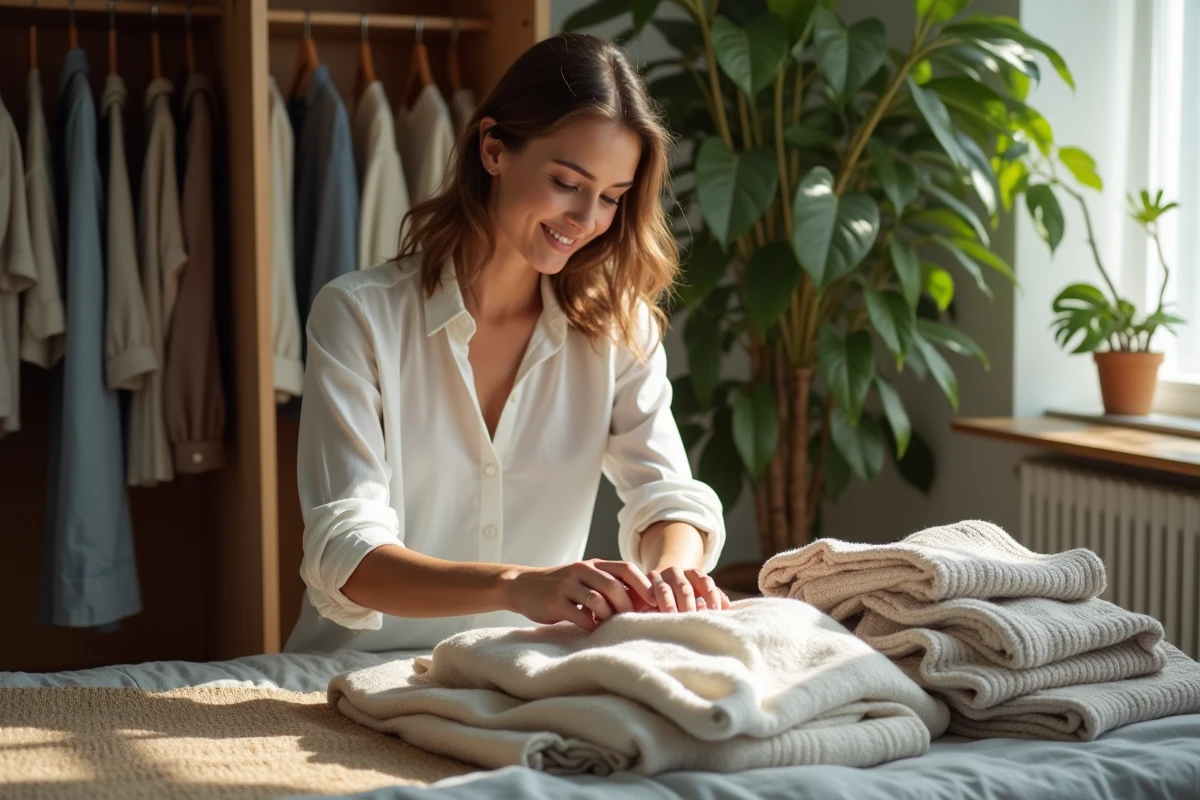
Changing your wardrobe means questioning each piece of clothing and adopting a thoughtful approach right from the sorting stage. Start by assessing what you truly wear: forgotten or worn-out clothes gather dust, muddle the clarity of your closet, and often end up as waste. Donating, recycling, giving a second life to these pieces helps declutter while limiting the tons of textile waste that accumulate each year.
To go further, prioritize solid and timeless basics, around a “capsule wardrobe.” This minimalist selection appeals due to its durability and versatility. Pay attention to the composition of the clothing: cotton, linen, hemp, as well as labels and certifications that attest to ethical production and a limited footprint on the planet.
Maintenance makes all the difference in the longevity of clothing. A few simple practices are essential: cold washing, natural drying, small repairs that prevent throwing away at the slightest wear. It is these actions, repeated daily, that extend the life of each piece.
Reducing purchases becomes a reflex: each new item is considered in terms of its actual use, style, and durability. This vigilance creates a virtuous circle, where each piece of clothing finds its place and where responsible fashion is no longer an abstract promise, but a concrete choice.
Reinventing your style sustainably: tips and inspirations to take action
Revisiting your personal style is not about chasing the latest trend, but about learning to know yourself and responding to your true needs. Observing your morphology, adjusting your wardrobe to your lifestyle, and being interested in colorimetry (the colors that enhance your complexion): these steps prevent unnecessary purchases and facilitate wardrobe harmony.
The choice of materials, the cut of the clothing, their comfort in daily life: everything must be designed to fit your lifestyle. A person always on the move will prefer practical and easy-to-maintain pieces; a calmer life will better accommodate loose cuts and soft materials. Sustainable style is built on use and adaptability, not accumulation.
Here are some concrete avenues to explore for initiating a sustainable transformation:
- Capsule wardrobe: create a reduced but coherent wardrobe made up of versatile pieces and robust basics.
- Mix & match: vary combinations, test layering, create unexpected contrasts to reveal your identity.
- Eco-friendly maintenance: prioritize repair, natural care, and personalization rather than throwing away or replacing at the first opportunity.
To go further, turn to engaged communities, subscribe to a specialized newsletter, or download an inspiring ebook to follow the evolution of slow fashion. Getting support from a personal shopper or participating in collective workshops is also a concrete way to embrace a more coherent fashion that aligns with your values.
The wardrobe of tomorrow is not built in a day, but each choice, each action, sketches out another way of dressing. And what if the real trend was to invent your own?