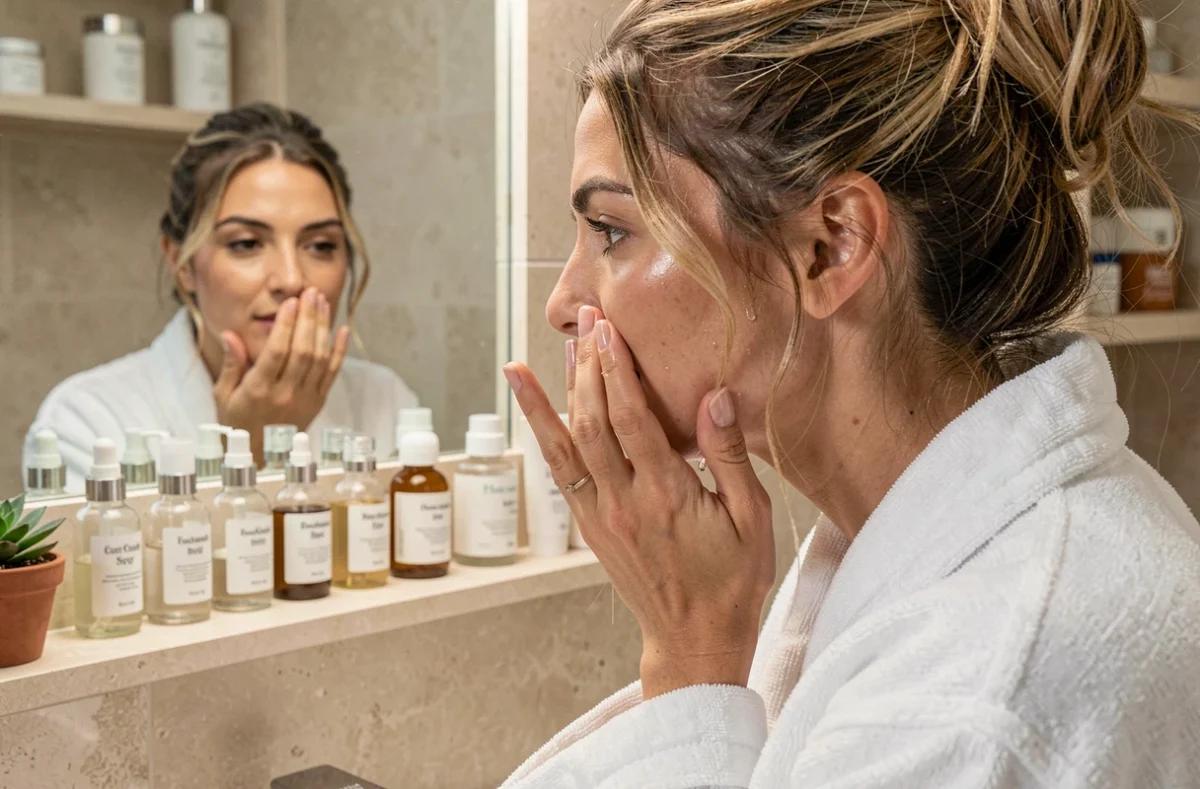
The European cosmetic regulation has changed more in the last two years than in the previous decade. Integrating these developments into a daily beauty routine is no longer optional: it’s the foundation for choosing effective, safe, and properly formulated products. Here, we review the technical points that concretely change the game for your skin, hair, and makeup.
Reading the INCI list: the technical limit that most routines ignore
Knowing how to analyze a cosmetic label is the first truly useful beauty gesture. Article 19 of Regulation (EC) No. 1223/2009 requires ingredients to be listed in descending order of weight. In practice, actives dosed at 1% or less can appear in any order after those that exceed this threshold.
The direct consequence: a serum displaying a star active at the end of the list does not inform you about its actual concentration. We recommend cross-referencing the INCI position with the manufacturer’s communication on the exact percentage. If this information is missing, caution is advised.
To deepen this type of reflex, the beauty tips on Mes Conseils Beauté detail several reading grids adapted to each category of care.
Fragrance allergens: the new declaration thresholds
Regulation (EU) 2023/1545 expands the list of fragrance allergens that must be declared individually. The thresholds are set at 0.001% for leave-on products and 0.01% for rinse-off products. Formulations placed on the market from July 31, 2026, must comply, while products already marketed benefit from a sell-by date until July 31, 2028.
If you are sensitive to fragrances, check the market date printed on the packaging. A product released before this deadline may still contain undeclared allergens under their individual names.
Retinol and face routine: what the European regulation changes
Retinol remains the reference anti-aging active for cell renewal and facial radiance. Commission Regulation (EU) 2024/996, published on April 3, 2024, now precisely regulates its concentrations in cosmetics. A warning mention about vitamin A is also required on the labeling.
For your evening routine, this means that a retinol product purchased in Europe complies with a legally defined concentration ceiling. We observe that some products imported from outside the EU do not follow these limits, which can cause irritation on sensitive or reactive skin.
Integrating retinol without compromising the skin barrier
The classic mistake is to combine retinol and acid exfoliant on the same night. The skin barrier cannot withstand two simultaneous aggressions without reacting with redness or excessive peeling.
- Alternate nights: retinol one day, glycolic or salicylic acid the next, never in overlap
- Always apply retinol on dry skin, after a post-cleansing drying time of at least five minutes
- Follow with an occlusive moisturizer to limit transepidermal water loss overnight
This simple protocol protects natural hydration while allowing retinol to act on cell renewal.
Makeup and microplastics: environmental checking becomes a beauty reflex
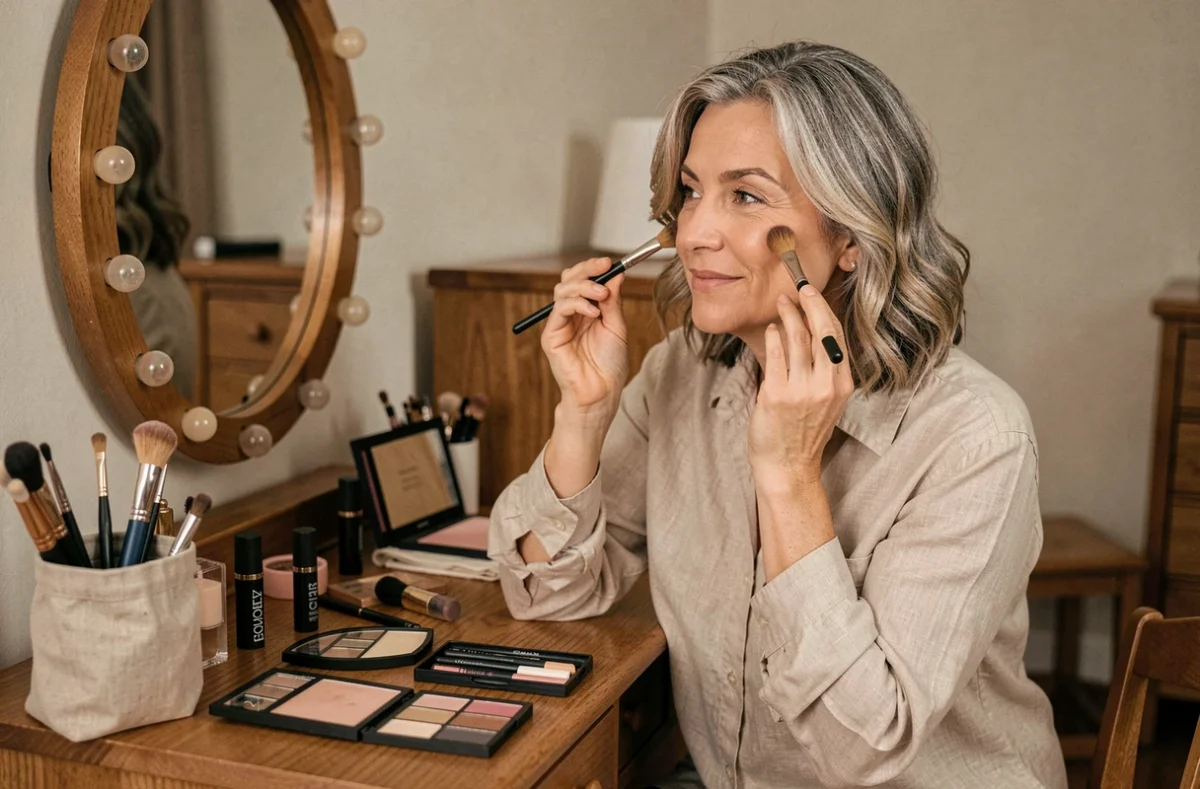
Microplastics are subject to increasing restrictions in European cosmetic formulation. Some synthetic particles used in foundations, powders, and exfoliants are gradually being banned. The impact on the choice of makeup products is direct.
In practice, glittery textures based on microplastics are the first to be affected. Brands are reformulating towards mineral or biodegradable alternatives, but the transition sometimes alters the wear or finish of the product. Testing on a small area before integrating a new foundation or highlighter into your routine helps avoid unpleasant surprises.

Hair and natural care: beyond marketing
The term “natural” on a shampoo or hair mask has no binding regulatory value in Europe. Only certified labels (Cosmos, Natrue) impose verifiable specifications on the proportion of naturally sourced ingredients.
For your hair, we recommend checking for the presence of a label rather than relying on green packaging or marketing claims. A Cosmos certified hair product contains at least a defined percentage of organic ingredients, which far exceeds the simple “natural” promise displayed on the front.
Hydration and nutrition: the internal levers for healthy skin
No serum can compensate for chronic dehydration. Skin hydration relies on two complementary pillars: internal water intake and the skin barrier’s ability to retain water.
- Prioritize omega-3 fatty acids (fatty fish, flaxseeds) that strengthen the lipid membrane of skin cells
- Limit fast sugars, which accelerate collagen glycation and promote skin laxity
- Apply a product containing humectants (hyaluronic acid, glycerin) on slightly damp skin to increase water uptake
Nutrition affects facial radiance with a delay of several weeks, which explains why results often go unnoticed. Consistency is more important than intensity.
Fragrance and daily routine: a choice more technical than it seems
With the expansion of the list of declared allergens, choosing a fragrance has become an act of label reading. People prone to contact dermatitis now have access to more detailed information about the exact composition of fragrances.
Spraying a fragrance on pulse points remains the most effective method for prolonged wear. Applying a non-fragranced moisturizing base on these areas beforehand slows the evaporation of top notes and extends diffusion.
Daily beauty relies less on the accumulation of products than on understanding what they contain and how regulation governs their formulations. Every gesture, from cleansing the face to choosing a lipstick, gains effectiveness when it is based on technical reading rather than packaging promises.