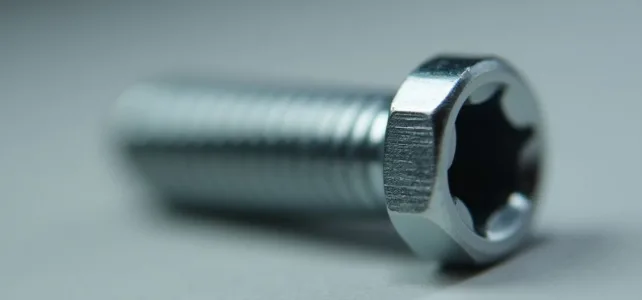
CHC screws, or hexagonal hollow cylindrical head screws, are essential components in the fastening world. Their unique design with a hexagonal hollow drive offers excellent strength and allows for effective tightening. Suitable for various industrial and domestic applications, these screws stand out for their reliability and their ability to integrate into assemblies requiring high precision.
Characteristics of CHC screws
Types of materials: steel, stainless steel, and their uses
CHC screws are made from different materials to meet the specific needs of their applications. There are raw steel screws, known for their strength and attractive cost-performance ratio. Zinc-plated steel is another popular variant, providing a protective layer against corrosion, making it a wise choice for humid or outdoor environments. For those seeking maximum corrosion resistance, stainless steel screws are essential. Available in A2 or A4 stainless steel, these screws are perfectly suited for installations exposed to the elements or corrosive conditions.
The different strength classes
CHC screws are classified according to their mechanical strength. The class of a screw indicates its breaking strength and its yield point. Steel screws, for example, are available in several classes, ranging from 4.6 to 12.9, each class representing a different level of strength. The choice of class depends on the specific application, ensuring a safe and durable assembly.
To learn more about where to buy CHC screws, check the article here.
Standards and specifications for CHC screws
DIN and ISO standards for CHC screws
The DIN and ISO standards govern the specifications of CHC screws to ensure their quality and universal compatibility. The DIN standard (Deutsches Institut für Normung) and the ISO standard (International Organization for Standardization) ensure that screws meet precise dimensions and tolerances. These standards facilitate the interchangeability and global use of CHC screws.
Comparison of standards: DIN vs ISO
Although DIN and ISO have similar specifications, there are subtle differences that can impact the choice of screws. The ISO standard is often adopted for international use, while DIN is sometimes preferred in Europe. Professionals often choose based on the specific requirements of their project and the prevailing standards in their region.
Applications of CHC screws in industry
CHC screws are particularly suited for metal applications due to their ability to provide powerful and secure tightening. They are widely used in mechanical construction, automotive, and even in the electronics sector. Their cylindrical head and hexagonal drive allow for easy access, even in tight spaces, and ensure uniform force distribution.
Tools required for using CHC screws
Installing CHC screws requires specific tools, such as Allen wrenches or hex keys. These tools ensure precise tightening without damaging the drive. When installing, it is crucial to choose the appropriate class and consider the type of threading, whether it is full or partial, to ensure optimal assembly.