
Planning a wedding means coordinating dozens of decisions over a period that often stretches well beyond a year. The main risk is not the number of tasks, but the items that are underestimated or discovered too late. This article highlights the most common sticking points in wedding planning and compares them to identify which ones deserve priority attention.
Wedding budget breakdown: where the money really goes
Most couples set an overall budget, then allocate it over the following months without a clear framework. The table below summarizes the main expenses and their relative share of a typical wedding budget, based on recurring figures in French-language planning guides.
| Expense | Estimated share of the budget | Recommended booking time |
|---|---|---|
| Reception venue | The largest expense | 12 to 18 months ahead |
| Caterer and drinks | Second-largest expense | 10 to 12 months ahead |
| Photographer and videographer | Significant share | 10 to 12 months ahead |
| Wedding dress and suits | Moderate but variable share | 8 to 10 months ahead |
| Decorations and flowers | Varies depending on the style | 6 to 8 months ahead |
| Music and entertainment | Small share | 6 to 9 months ahead |
| Stationery (invitations, menus, seating plan) | Minor share | 4 to 6 months ahead |
The reception venue and caterer account for most of the budget. Booking them early sets everything else in motion: securing the venue and caterer early leaves more room to maneuver on secondary expenses.
Photographers and videographers should be booked as far in advance as caterers. This is often underestimated, as the most sought-after professionals fill their calendars a year ahead. You can also find a useful overview on the Les Secrets de la Mariée website to help identify the types of vendors to contact.

Civil ceremony at the town hall: administrative requirements to plan for
Civil ceremonies are subject to specific rules that couples focused on the reception often overlook. A civil wedding cannot be held in just any municipality: under the applicable regulations, you must demonstrate an established connection to the municipality you choose.
The application must be submitted to the town hall, and the banns must be published before the ceremony. This publication period means you need to start the process several weeks in advance. An oversight at this stage could delay the entire wedding date.
Legal ceremony and reception venue: two separate locations
The civil ceremony takes place at the town hall, in a room open to the public. According to Service-Public.fr, the mayor may also conduct it in another municipal building located within the municipality. A secular or religious ceremony at the reception venue does not replace the civil ceremony.
This is a common source of confusion. Some couples book an estate thinking they can hold the entire wedding there, including the official ceremony. Checking the town hall’s requirements as soon as you set the date helps avoid costly logistical changes.
Caterer brief and leftover management: an overlooked part of planning
Choosing a caterer usually focuses on the menu, service and price per guest. One aspect rarely discussed in advance is how surplus food will be handled after the reception.
A recent guide on reducing waste at events recommends planning for what happens after the reception: collecting surplus food, making use of leftovers and tracking the actions taken. This should be included in the caterer brief before signing the contract, not the day before the wedding.
- Ask the caterer how they handle leftovers (redistribution, composting, doggy bags for guests)
- Include a clause in the contract covering how surplus food will be packaged at the end of the evening
- Check whether the reception venue has refrigerated storage suitable for the remaining quantities
Including this in the initial negotiations helps reduce waste at no extra cost if it is planned for in the contract.
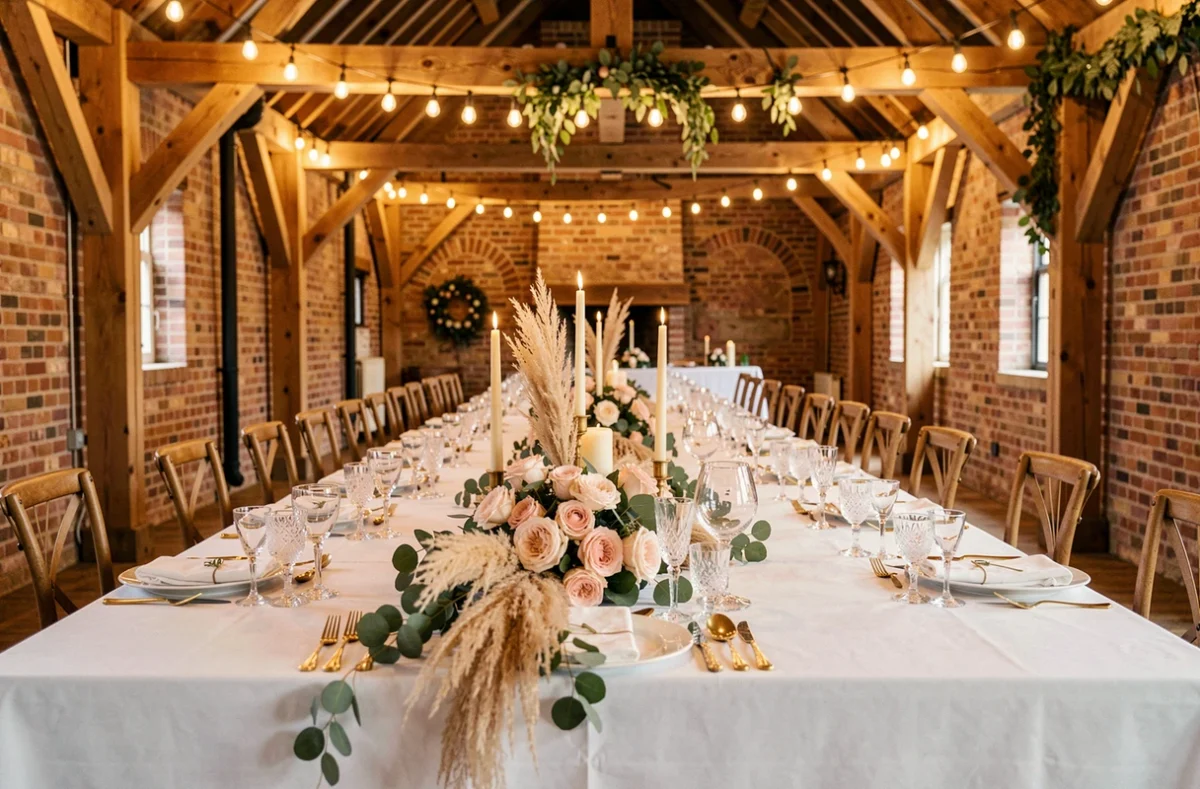
Noise and neighbors: look beyond aesthetics when viewing reception venues
Reception venues are often chosen for their visual appeal: the setting, capacity and accessibility. Noise restrictions are rarely considered during the first visit.
For a reception, it is worth checking in advance what time music must end, the venue’s rules and any restrictions related to nearby residents. An estate in the countryside offers different possibilities from a château close to homes.
What to check when viewing a venue
- Cutoff time for amplified music (often set out in the rental agreement or a municipal order)
- Distance between the reception room and the nearest homes
- Whether there is an indoor space available if outdoor music has to stop at a certain time
- Whether you are required to notify neighbors in advance (some venues require this under the contract)
Checking the venue’s noise restrictions helps prevent disputes with neighbors on your wedding night. Asking these questions during the viewing, before signing, can make all the difference to how the evening unfolds.
Guest list and seating plan: planning tools, not decorations
The guest list informs almost every decision: the number of meals for the caterer, the size of the venue, the amount of stationery and the seating plan layout. Finalizing it late has a domino effect on all your vendors.
The seating plan is more than a decorative exercise. It is a logistical tool that affects the caterer’s service (number of tables, layout and dietary requirements at each table) and guests’ comfort. Finalizing the guest list at least three months before the wedding day gives you time to settle the seating plan and send final details to your vendors.
The most time-consuming part of wedding planning is not always the most visible. Administrative formalities, a thorough caterer brief and checking the venue’s noise restrictions matter just as much as choosing the dress or decorations—and oversights can be much harder to fix.